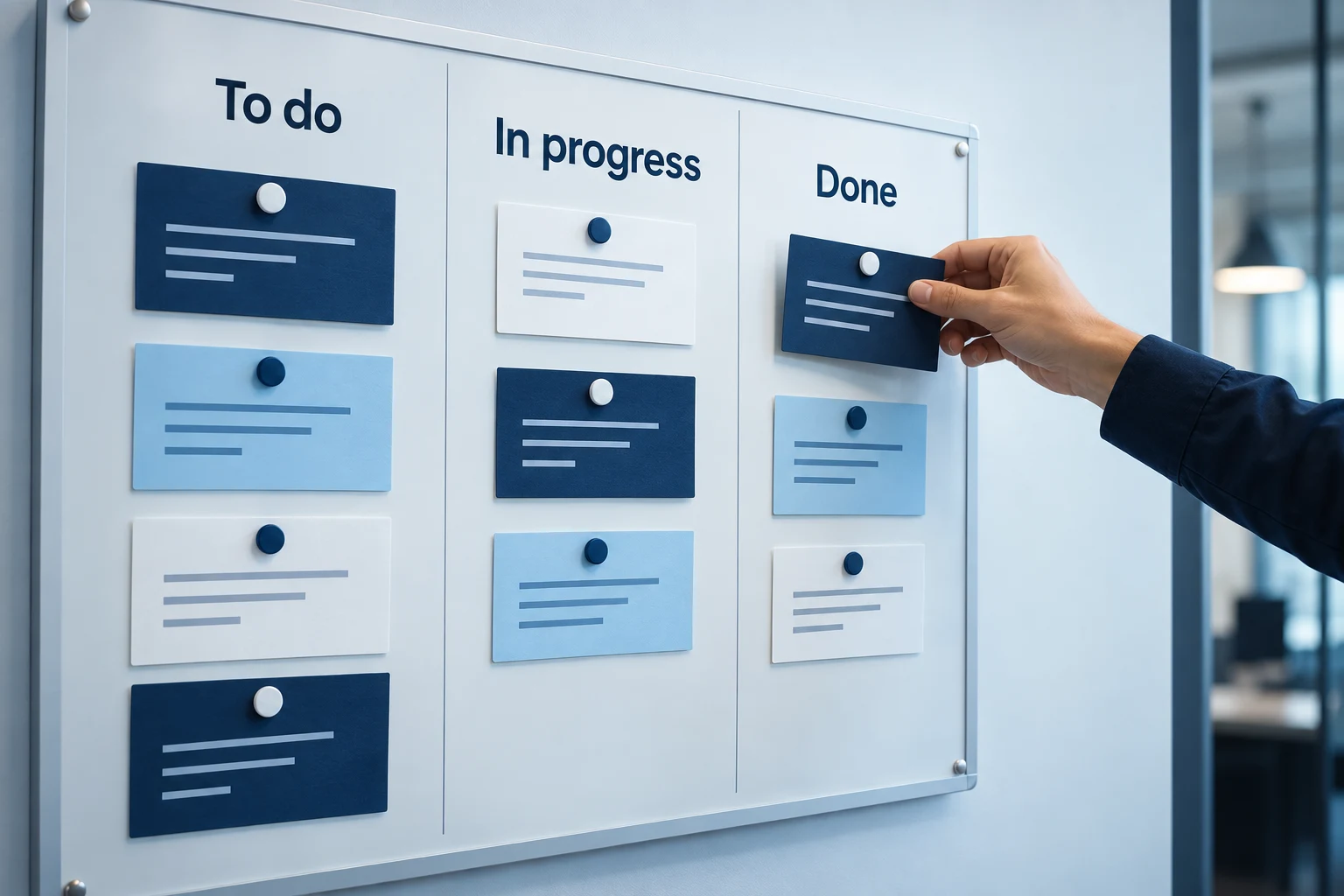
AI opportunity assessments
Identify suitable tasks, available data, practical constraints, and a meaningful way to evaluate usefulness.
SUN HARBOR TECHNOLOGIES · SOUTHWEST FLORIDA
I help businesses assess where AI can be useful, test a focused use case, and connect it to an existing workflow. Potential projects include searching approved documents, extracting information, drafting summaries, and routing inquiries—with clear data access and human review.
Discuss this service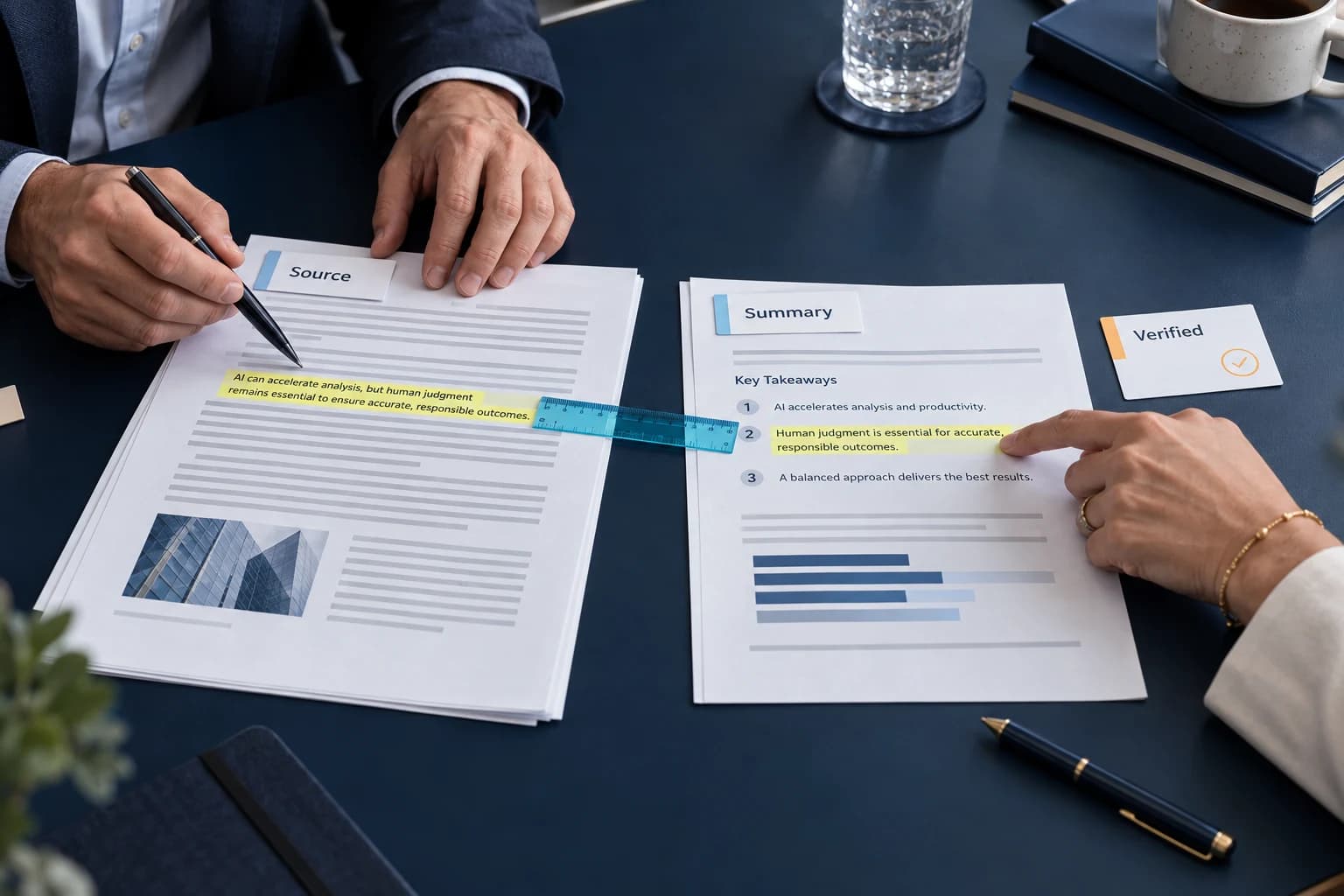
A POSSIBLE FIRST PORTFOLIO PROJECT
A suitable initial portfolio project: a limited assistant that searches a small, approved document collection and provides source references. We test representative questions and agree on how users should verify the answers.
Final deliverables, pricing, and timing are agreed before work begins.
We assess the task, the information available, the cost of mistakes, and the ongoing provider costs. A conventional automation or process change may be a better fit; AI is used when testing shows it is useful for the agreed requirement.
Identify suitable tasks, available data, practical constraints, and a meaningful way to evaluate usefulness.
Create task-specific assistants that work with approved information and defined business workflows.
Help employees find relevant information in approved documents with source references for verification.
Extract structured fields, classify documents, and generate summaries for a person to check.
Connect AI capabilities to existing tools, including inquiry routing, drafting, and document processing.
Evaluate accuracy, define review requirements, and keep important decisions with accountable people.
These examples keep a person responsible for reviewing important outputs. They illustrate potential project scope, not guaranteed performance.
Ask a focused question and review a concise response alongside its sources.
Look for a useful, bounded task and review the data, privacy needs, and consequences of errors.
Test representative inputs and compare the results against criteria your business understands.
Connect the useful capability to your workflow with access controls, review points, and agreed operating costs.
No. Some tasks are better served by a simple rule, a conventional integration, or a clearer process. We use AI where its capabilities fit the requirement and evaluate whether it adds enough value to justify the complexity and cost.
Potentially, with an approved data source and appropriate access controls. We review the provider's data handling, your confidentiality requirements, and how users should verify answers before deciding what information the system can access.
No. AI can produce incorrect or incomplete results. Representative testing, source references where appropriate, validation, and human approval are part of designing a useful system. Higher-impact decisions require proportionate oversight.
Selected assessments are complimentary. Implementation, operating costs, and support are agreed separately. I offer approximately 10–20 consulting hours weekly around my full-time role, with evening meetings and remote collaboration.